The implementation of randomized prize mechanics has long served as a vital strategy for sustaining user engagement across diverse digital environments. Modern software engineers and creators recognize that simply offering prizes is no longer sufficient to maintain long-term audience interest. To address this, current development practices place a significant emphasis on transforming basic outcomes into deeply satisfying interactive milestones.
The Psychology of Micro Interactions and Tension
The core appeal of any randomized reward framework is heavily rooted in the intense moments of anticipation before a prize is revealed. Rather than delivering instant results, developers use deliberate delays and slower visual pacing to build curiosity naturally. These brief periods of uncertainty trigger a biological focus response, making the eventual payout feel significantly more earned and valuable.
Furthermore, structural presentation plays an essential role in how these randomized distributions are perceived by the public. By displaying potential high-tier items alongside more common options, creators build an approachable atmosphere of near-miss experiences. This specific visual arrangement encourages players to analyze their chances while keeping the entire interactive loop incredibly straightforward and easy to understand.
Enhancing Retention Through Dynamic Visual Feedback
Advanced interface design and sensory cues have fundamentally shifted how traditional reward programs look and feel on modern mobile screens. Incorporating fluid particle effects, high-definition animations, and customized audio layers ensures that even small prizes produce an impactful emotional response. These continuous aesthetic upgrades elevate a simple selection layout into a genuinely memorable experience for casual audiences.
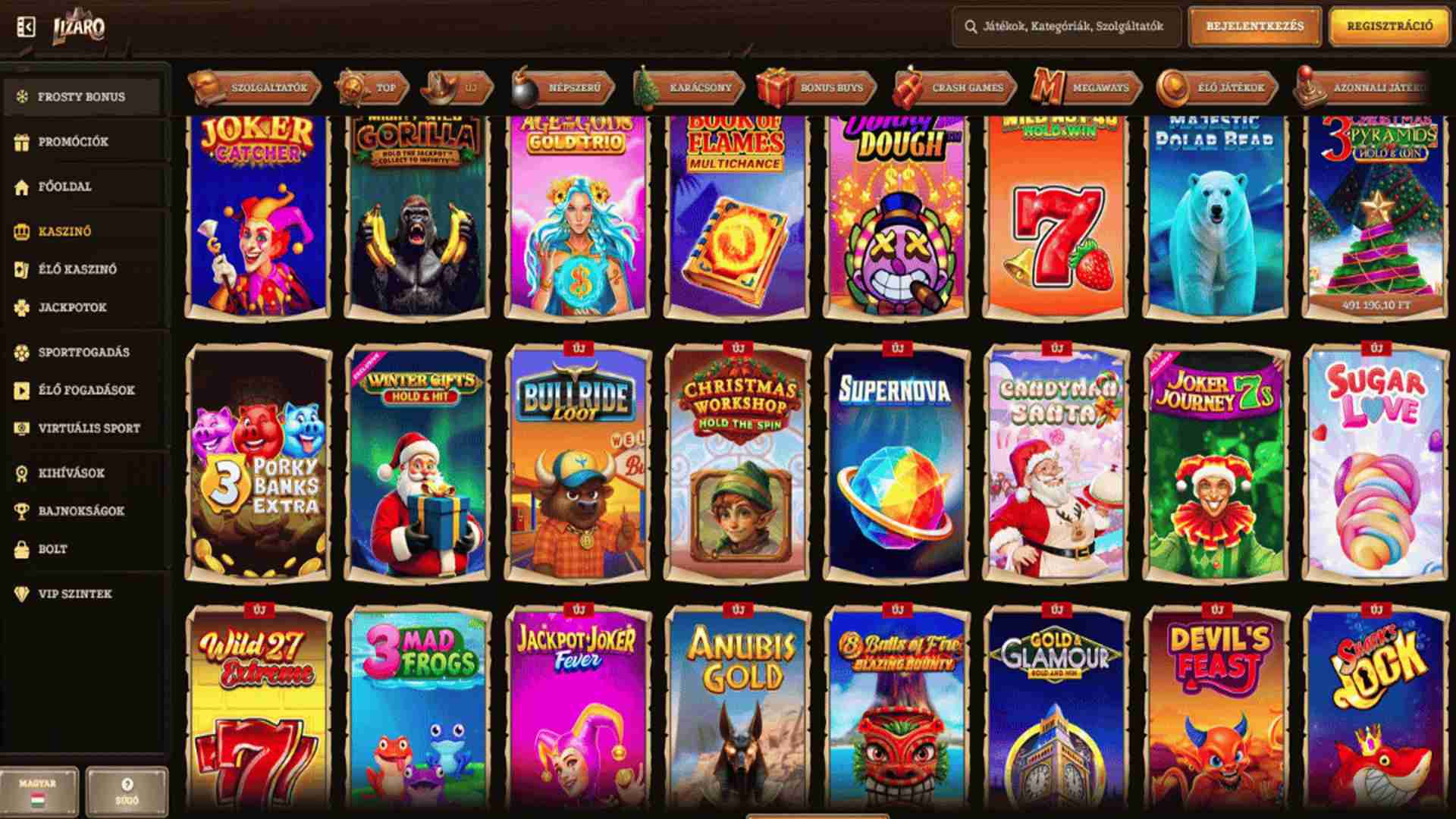
Many successful platforms leverage these polished engagement techniques within their standard gaming systems to attract diverse demographics. Popular digital hub networks, such as boss domino, masterfully apply high-quality animations to keep their basic interactive loops fresh and exciting. This detailed approach to visual presentation ensures that classic reward distribution structures remain completely relevant in a highly competitive software market.
The Critical Role of Prize Diversity and Balance
Another monumental driver behind the ongoing popularity of unexpected prizes is the careful management of item utility and themes. Creators frequently introduce shifting progression models, mystery modifiers, and collection mechanics that prevent repetitive sessions from feeling dull. Offering varied tiers of useful digital items ensures that participants stay curious about what they might unlock during subsequent milestones.
Beyond functional utility, matching seasonal themes or immersive backstories to the random drops alters the psychological mood of the gameplay. By establishing clear context and thematic consistency, developers add a layer of narrative worth to otherwise straightforward random assets. This strategic combination of balanced drop rates and immersive aesthetics effectively turns a passive mechanism into an active adventure.
Future Technological Horizons for Random Rewards
As consumer software trends rapidly move toward greater personalization, reward systems are projected to adapt using automated player feedback algorithms. Future titles will likely adjust aesthetic feedback and structural payouts to suit individual user preferences in real time. This technical evolution will significantly deepen consumer loyalty by tailoring the excitement of discovery to unique behavioral patterns.
Ultimately, the timeless appeal of surprise guarantees that randomized selection mechanics will always maintain a secure place in digital design. By prioritizing balanced presentation, creative themes, and high-quality user experiences, developers continue to craft systems where the journey is as rewarding as the prize itself.