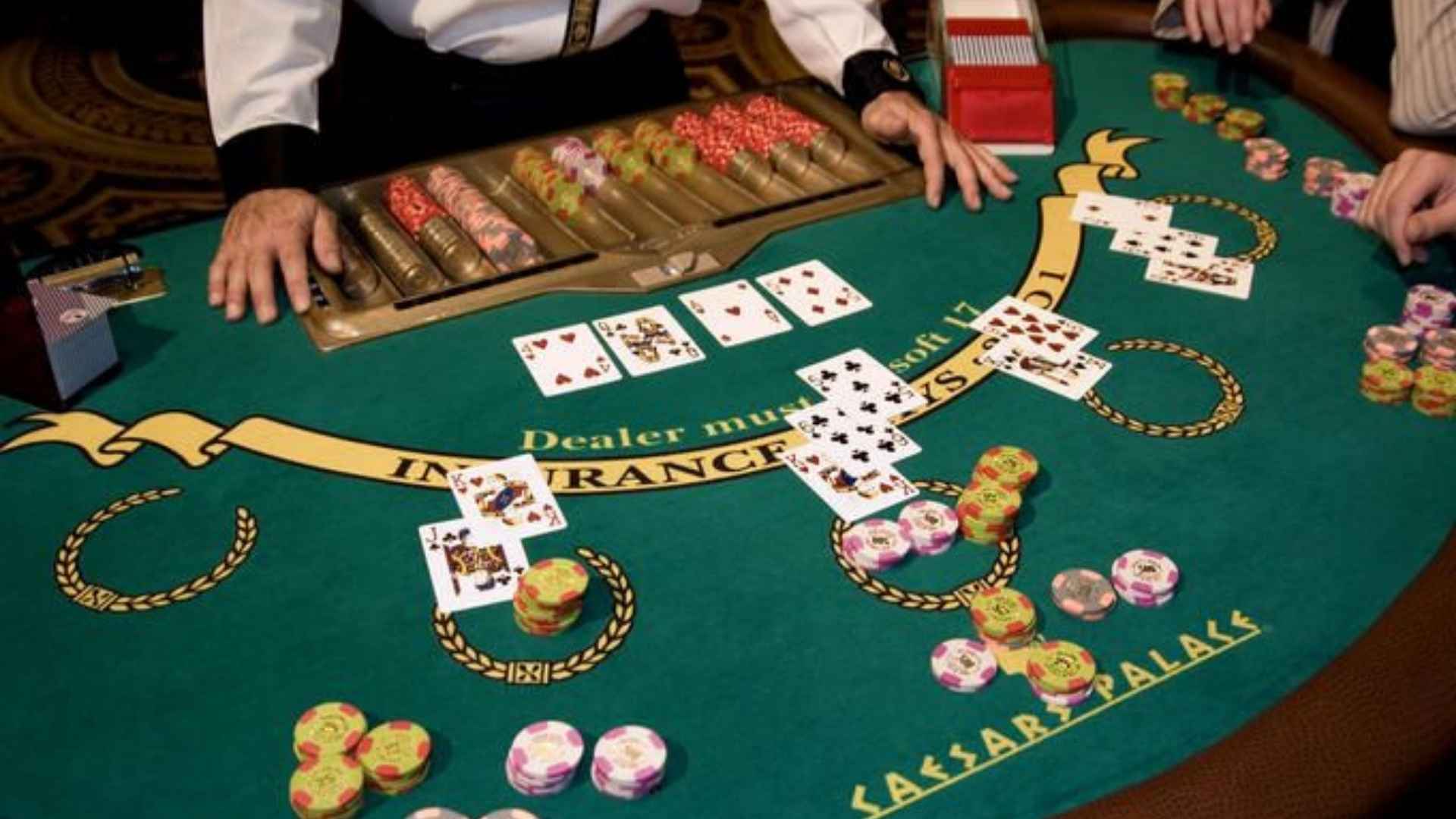
Engaging in table games is often viewed as a simple leisure activity, but the mental processes involved go far deeper than mere entertainment. Whether you are calculating the probabilities in a card game or planning several moves ahead in a strategic board game, these activities serve as a powerful workout for the brain. Over time, the cognitive challenges presented at the gaming table can significantly translate into better decision-making habits in your daily and professional life.
The Psychology of Risk Assessment
Every decision we make in life involves some level of risk, and table games provide a safe environment to practice evaluating these stakes. Players must constantly weigh the potential rewards against the likelihood of a negative outcome before making their move. This continuous evaluation helps individuals develop a more rational approach to risk, reducing impulsive choices and encouraging a focus on long-term benefits.
Furthermore, learning to accept losses as part of the process is a crucial aspect of cognitive growth. When players analyze what went wrong in a failed round, they build the resilience needed to adapt their strategies in future scenarios. This mental adaptability is highly valuable in the real world, where unexpected obstacles require quick and objective reassessments.
Sharpening Analytical and Logical Thinking
Many popular tabletop options require players to process complex information rapidly and make structured choices. For instance, classic card games demand that you track visible variables while estimating hidden elements based on probability. This constant mental calculation strengthens working memory and improves your ability to recognize patterns under pressure.
For those looking to sharpen these analytical skills on a dynamic platform, finding a reliable online space is highly beneficial. Engaging with a trusted resource like M88 link alternatif allows enthusiasts to practice strategic thinking across various classic options. Regular practice in these controlled environments trains the brain to remain calm and logical during real-life problem-solving tasks.
Managing Cognitive Bias and Emotions
One of the greatest hurdles to sound decision-making is emotional interference, such as panic or overconfidence. Table games teach players the importance of emotional discipline, as letting frustration dictate your moves almost always leads to a poor outcome. By practicing mindfulness and keeping emotions in check, players learn to rely on evidence and logic rather than gut reactions.
Additionally, tabletop play helps individuals identify and overcome common cognitive biases, such as the gambler's fallacy. Experiencing firsthand how independent events unfold teaches players to base their decisions on objective probability rather than wishful thinking. This shift toward factual analysis ultimately fosters more disciplined and dependable decision-making skills.