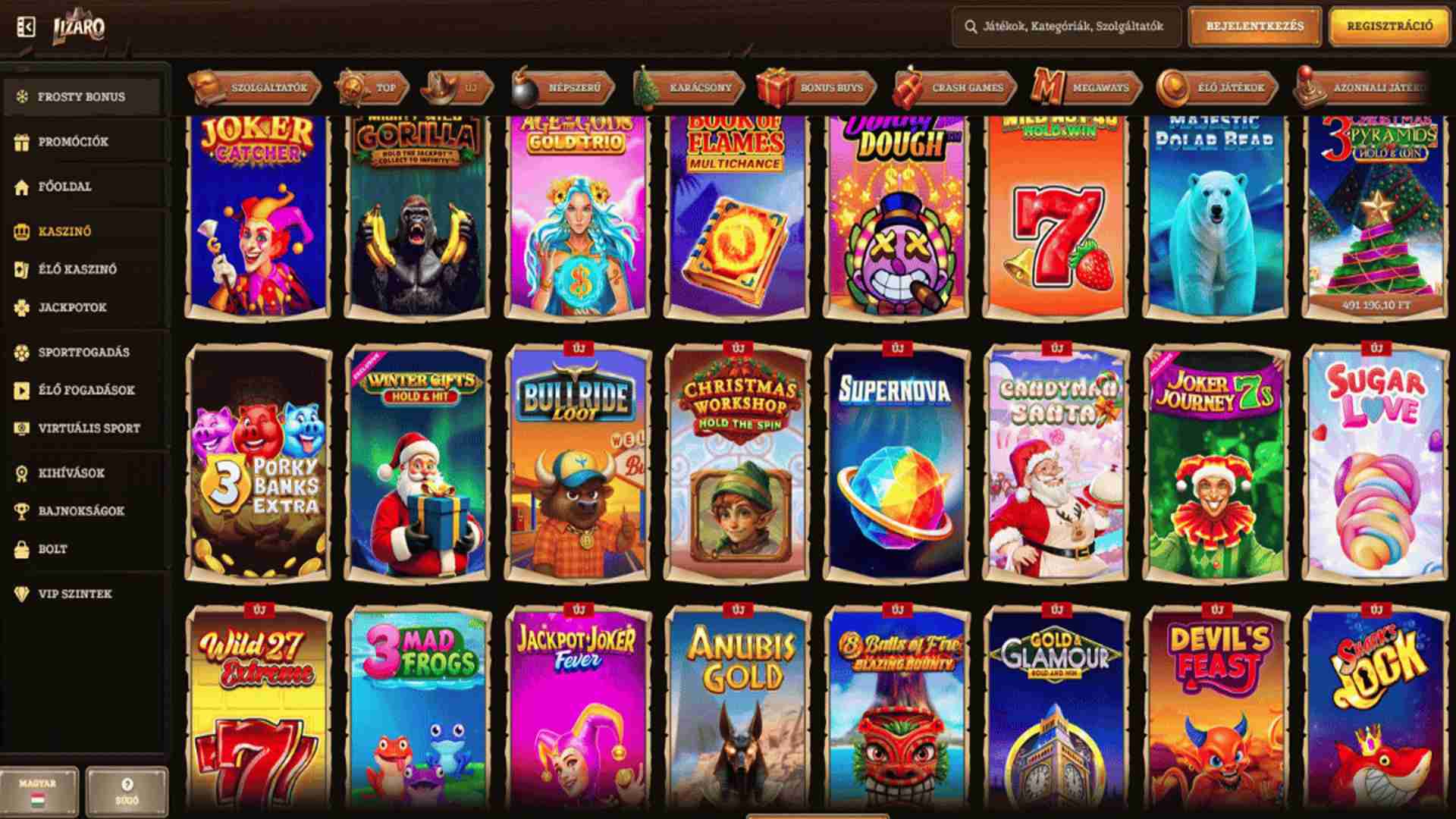
Modern gaming platforms are constantly integrating new structural designs to enhance user engagement across diverse player bases. One of the most effective strategies utilized by game creators involves unpredictable reward distribution. By offering randomized items, developers create dynamic gameplay environments that prevent daily tasks from feeling repetitive.
The Evolution of Dynamic Incentive Systems
Traditional progression models often relied on static linear milestones that granted predictable upgrades to all participants. Contemporary digital titles have moved toward dynamic incentive systems that assign value through stochastic algorithms. This transformation keeps sessions unpredictable, encouraging players to approach familiar challenges with renewed enthusiasm.
As online services expand across desktop and mobile ecosystems, unpredictable reward pools have become standard features. Players exploring top platforms like m88.com often encounter dynamic systems designed to offer diverse operational experiences. These randomized features help sustain intrigue by varying the items granted after completing regular activities.
Enhancing Player Retention Through Unpredictability
Uncertainty naturally sharpens human focus during interactive tasks. When individuals complete objectives without knowing the exact outcome, anticipation builds prior to the final reveal. This emotional dynamic transforms routine quest completion into a series of engaging events.
Furthermore, random chance ensures that low-level and high-level participants encounter unique gameplay scenarios. A rare drop received early in a player's progression can entirely reshape their strategic choices. Consequently, dynamic rewards foster diverse play styles within the same digital universe.
Designing Balanced Progression Mechanisms
While dynamic payouts generate initial excitement, game developers must carefully calibrate probability tables to preserve fairness. Excessive reliance on pure chance can demoralize players who invest significant effort without acquiring meaningful prizes. Achieving an optimal balance requires combining guaranteed progression thresholds alongside randomized bonuses.
Modern studios frequently employ bad-luck protection systems to solve this ongoing challenge. These algorithms gradually elevate drop probabilities after consecutive unsuccessful attempts, ensuring continuous advancement. By blending steady progression with unexpected surprises, platforms build long-term trust with their player communities.
The Long Term Impact on Digital Gaming
Randomized rewards have fundamentally redefined how developers approach content longevity across interactive platforms. By introducing variable mechanics, games maintain replayability without demanding massive immediate world-expansion updates. This efficient framework allows creators to focus on refining core mechanics and improving server infrastructure.
As digital platforms continue to adopt adaptive AI-driven reward structures, player experiences will become even more tailored. The strategic integration of chance remains a vital foundation for modern game design, driving long-term curiosity and community participation globally.